Delivering Programs that Perform

“The function of leadership is to produce more leaders, not more followers.”
– Ralph Nader
Over 10 years leading cross-functional teams through complex operational challenges in food manufacturing, logistics, and facilities management. Deeply passionate about designing and implementing programs that are structured, measurable, and resilient, with a focus on sustainable results and continuous improvement.
I'm a program and operations manager with over a decade of experience driving efficiency, compliance, and team performance across food manufacturing, logistics, and facilities management.
I bring both frontline execution experience and strategic program oversight to every initiative I lead.
My background spans regulatory compliance (FDA/USDA/OSHA/BRC), sanitation systems management, engineering, logistics and cross-functional team leadership of 50+ staff, and continuous improvement methodologies.
I'm passionate about building programs that are structured, measurable, and built to last.
Currently seeking remote Program Manager opportunities.
Case Studies
The following project summaries highlight four signature programs I have led across my career. Each initiative represents a real challenge, a structured approach, and a measurable outcome. Together, they demonstrate my ability to design, launch, and manage programs that drive lasting operational improvement — from the front line to the boardroom.
Challenge 1
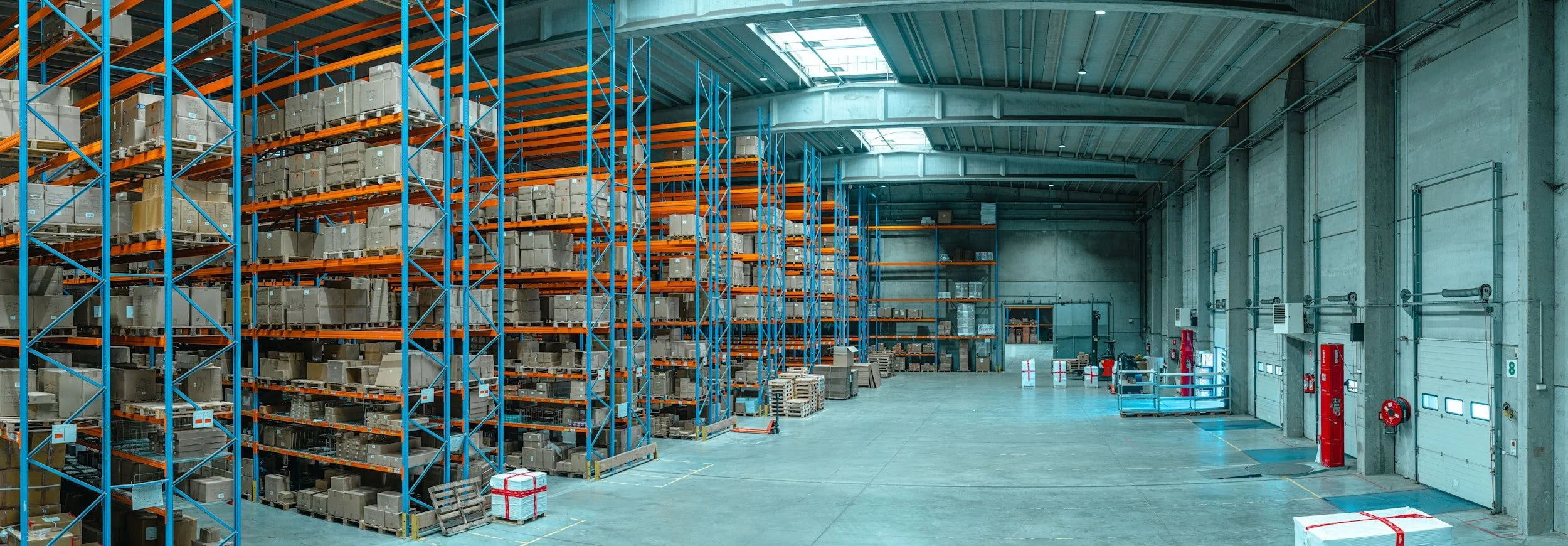
A large cold-chain warehouse was experiencing frequent bottlenecks, high rates of unplanned equipment downtime, and inconsistent shift performance across three rotating shifts. Legacy processes had not been updated in years, and there was no standardized accountability system in place for shift leads.
My Approach
● Conducted a structured root-cause analysis across 6 months of shift logs and incident reports
● Redesigned SOPs for 12 core warehouse workflows, eliminating redundant steps and clarifying ownership
● Implemented daily stand-up accountability meetings for all three shifts
● Introduced KPI scorecards for each shift lead, tracking on-time performance, downtime incidents, and throughput
● Rolled out a cross-training program for 40+ warehouse associates to reduce single-point-of-failure risk
Results
● ↓ 30% reduction in unplanned equipment downtime
● ↑ 22% improvement in on-time shipment rate
● 100% shift lead KPI scorecard adoption within 60 days of launch
● Increased team engagement through visible accountability and recognition
Key Takeaway: Operational improvement doesn’t require a technology investment — it requires clear standards, consistent accountability, and leadership presence on the floor.
Project 2 —
The Challenge
Multiple sites were operating under inconsistent sanitation and food safety standards, creating significant audit risk across FDA, USDA, and BRC regulatory frameworks. GMP documentation was outdated and staff lacked formal training on compliance procedures.
My Approach
● Audited all existing GMP documentation against current FDA/BRC requirements
● Authored a full suite of SSOPs (Sanitation Standard Operating Procedures) from scratch
● Developed and delivered a compliance training curriculum for 50+ staff across multiple sites
● Built an audit readiness checklist system used by site managers ahead of every inspection
● Conducted mock audits on a quarterly basis to identify and close gaps proactively
Results
● 95% pass rate across 3 separate regulatory audits (FDA / USDA / BRC)
● Zero critical findings across all inspections
● 98% SSOP adoption rate across all sites
● Established a repeatable audit-readiness process still in use today
Key Takeaway: Compliance is a program, not a checklist. Building a culture of readiness — through documentation, training, and practice — is what turns audit risk into audit confidence.
Project 3 — Cross-Functional Team Development Initiative
The Challenge
The maintenance team was operating almost entirely reactively — responding to equipment failures as they occurred with no structured training, no escalation process, and no preventive maintenance schedule. This created unpredictable costs, high downtime, and technician burnout.
My Approach
● Built a skills matrix for all maintenance technicians to identify capability gaps by trade
● Developed tiered training tracks aligned to skill level and role requirements
● Created preventive maintenance (PM) schedule templates for all major equipment categories
● Stood up a daily briefing process and structured ticket triage system to prioritize reactive vs. preventive work
● Provided individual coaching and development planning for technicians pursuing certifications
Results
● ↓ 40% reduction in reactive maintenance tickets over 9 months
● 85% technician certification completion rate
● 92% adherence to the preventive maintenance schedule
● Measurable improvement in team morale and retention
Key Takeaway: People perform better when they have a structure to operate within, skills to do their job confidently, and a leader who invests in their growth.
Key Takeaway: A successful launch is 80% planning and 20% execution. When the project plan is detailed and ownership is clear, the team can move fast without cutting corners.
What These Projects Have in Common
Every initiative above followed the same core approach:
1. Diagnose first — understand the root cause before proposing a solution
2. Build the structure — SOPs, scorecards, schedules, and systems that outlast my involvement
3. Develop the people — training, coaching, and accountability at every level
4. Measure the outcome — track results and communicate them clearly to stakeholders
This is the program management philosophy I bring to every organization I join.